
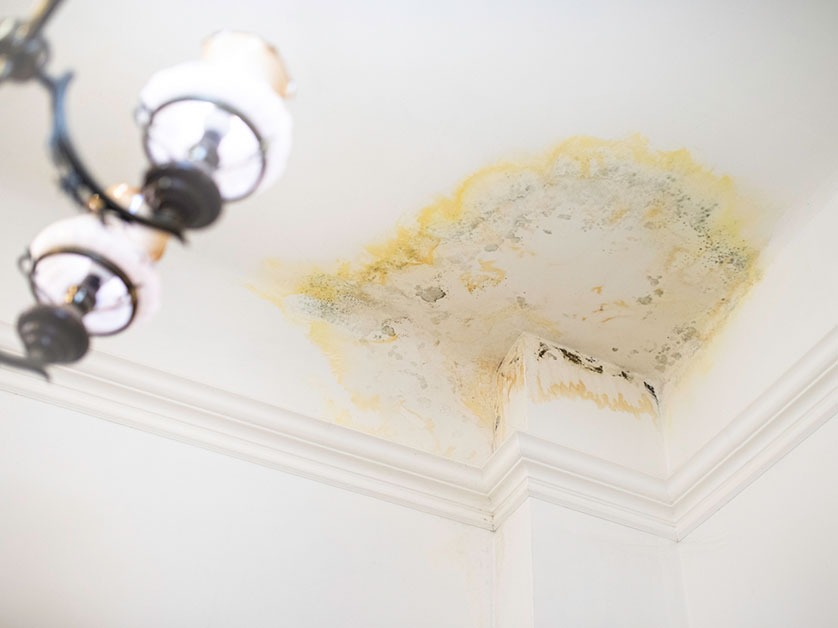
As a homeowner, seasonal weather can expose your roof to challenges you may not anticipate. One of the most common issues is unwanted water indoors. However, not every water spot signals a classic roof leak. In many cases, the real culprit is condensation. Knowing how to distinguish between a roof leak and condensation helps you address the right problem before further damage occurs.
Understanding Roof Leaks: Key Signs and Causes
A roof endures heavy rain, humidity, and even the occasional winter storm. Roof leaks typically develop due to issues with your roofing system, especially as roofs age or sustain storm damage. If you spot these warning signs, you likely need help from a roofer:
-
Water stains that progressively worsen after heavy rain.
-
Damp patches or drips located in a predictable pattern, often below broken shingles, loose flashing, or compromised valleys.
-
Visible signs of exterior damage, such as missing shingles or granule buildup in gutters.
-
A musty odor in a specific room following a storm.
An experienced roofing professional can inspect your roof for damage, determine where water is entering, and recommend reliable repairs.
What Is Condensation and Why Does It Mimic a Leak?
Condensation occurs when warm, moist indoor air comes into contact with a cool roof surface, especially during colder months. It often appears as unexpected water spots on ceilings or walls, even when the roof itself is in good condition. Common causes of condensation include:
-
Poor attic ventilation that allows humidity to build up.
-
Blocked soffit or ridge vents.
-
Inadequate insulation that creates cold surfaces in the attic.
-
Everyday activities that increase indoor moisture levels, such as cooking and showering.
Condensation typically accumulates during colder weather or in areas of the home with limited airflow, making it easy to mistake for a roof leak.
Comparing Symptoms: Roof Leak vs. Condensation
Telling the difference between a leak and condensation can sometimes be challenging. Here are some key ways to identify the issue:
-
Roof leaks generally worsen after rain or snow. If stains appear or expand only after storms, a leak is likely.
-
Condensation usually forms during consistently cold weather, regardless of precipitation.
-
Condensation tends to appear throughout the attic or on the underside of the roof deck, while leaks create isolated issues tied to a specific point of water intrusion from the roof’s exterior.
A professional assessment can help pinpoint the exact source. If you are unsure, contacting a skilled roofer can save you time and prevent more costly repairs in the future. Addressing poor attic airflow may also involve solutions such as insulation upgrades or gutter repair installation, both of which help maintain a dry and healthy home.
Gutters, Roofs, and Moisture: How They Interact
A properly functioning gutter system plays an important role in controlling roof moisture issues. If gutters are clogged or damaged, rainwater can back up and saturate the roof edge, increasing the likelihood of leaks and contributing to higher attic humidity levels. Professional gutter repair helps direct water away from your foundation and roof, reducing both leakage risks and indoor condensation buildup.
When to Call a Professional
If you notice moisture in your attic, ceiling stains, or musty odors, do not ignore these warning signs. Prompt diagnosis and repair can help keep your roof and home in excellent condition, whether the solution involves repairing a leak or improving ventilation to eliminate condensation. For comprehensive roofing solutions tailored to local weather conditions and architectural styles, reach out to Chase Roofing LLC to schedule a trusted inspection and protect your investment. Give us a call at (757) 872-0700 or (757) 206-1948 or fill out our contact form to get started. We proudly serve homeowners in Yorktown, VA and surrounding communities.